


If you collect nesting dolls, you already know that two sets can look nearly identical in photos, then feel completely different once you pick them up. That “quality feel” usually comes from a few quiet details, wood choice, how cleanly the halves seat, and how the paint and lacquer were finished. Below is a collector-friendly tour of the traditional process, with a few easy things to check the next time you’re deciding whether a set belongs in your collection.
How Traditional Matryoshka Dolls Are Made
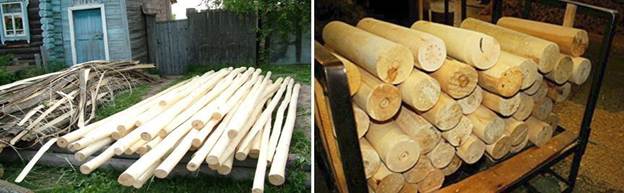
It starts with the wood, because everything that happens later depends on it. Linden is the traditional favorite, though some workshops also use alder, aspen, balsa, or birch. After a tree is cut, the trunk is trimmed and inspected; anything soft, cracked, or damaged is tossed out. The keepers are stacked and air-dried for roughly one to two years (sometimes longer), and the maker decides when the wood is stable enough to turn. Then the bark is peeled away, and the log is turned on a lathe into smooth cylinders. Collector note: careful drying and prep often shows up as a set that feels consistent in weight, closes cleanly, and stays that way over time.
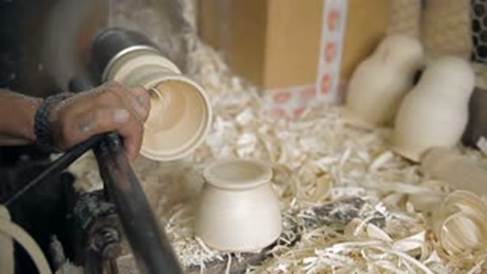
Turning is where collectors can really spot the difference between “nice” and “wow.” You’ll see different accounts of whether artisans begin with the smallest doll and work upward, or start with a larger size and work down, but either way, the challenge is the same: each doll is made in two pieces, and the fit has to be precise. The wood is shaped on a lathe with sharp tools; often the top half is turned first and used as the reference for the bottom half. A good closure feels snug without being stubborn, no wobble, no gritty drag, and no obvious gap around the seam. After the halves are matched, they’re joined and sanded smooth, and the maker repeats the process for each size in the set. Collector note: handmade variation is normal, but clean seams and a consistent “nest” from doll to doll usually point to more careful workmanship.
Before any painting happens, most dolls get sealed. Since bare wood can drink in pigment (and react to moisture), makers apply a glue-like, starchy coating that works a lot like primer. It helps paint go on evenly, reduces chipping, and adds a little extra protection for the long haul. Many sets get two or three coats before color is added. Collector note: even well-sealed wood can swell in humid conditions—so if a doll suddenly feels tight, don’t force it.

Then comes the part everyone falls in love with: the painting. The best sets are hand-painted so neatly they can look almost printed. Many artists use gouache (it’s thicker and more opaque than watercolor), which helps those classic reds, blues, and florals look rich and solid. A typical workflow is outline first, then the larger color blocks, then all the tiny details—faces, patterns, metallic touches, and fine linework. Collector note: check repeated elements across the set (flowers, borders, facial features). Consistency usually means the artist took their time.

Last comes the lacquer. Those clear coats protect the artwork, deepen the colors, and create the shine most people associate with Matryoshka dolls. After the lacquer cures, the set is ready for its next home—shop, market, or display cabinet. Collector note: lacquer can mellow (and sometimes yellow slightly) with age, and frequent handling can leave dull patches. Clean, dry hands go a long way.
Collecting Matryoshka Dolls: Quality Checks and Collector Habits
A quick checklist when you’re shopping
- Fit: The halves should seat smoothly with a gentle “pop,” not scrape, grind, or wobble.
- Seam line: Aim for an even seam; wide gaps can point to rushed turning or wood movement from humidity.
- Weight and balance: A consistent feel across the set often suggests careful wood choice and steady wall thickness.
- Paint quality: Look for confident lines, tidy edges, and colors that match across repeated motifs.
- Lacquer: It should feel dry and even (not tacky). Cloudiness can be a sign of past moisture exposure.
Care & storage (so your dolls stay happy for decades)
Store your sets somewhere stable and dry, out of direct sunlight (UV can fade paint and stress lacquer). If a doll feels tight one day, resist the urge to force it—humidity swings can make wood expand and shrink. Let the set acclimate to the room, and if your display area runs humid, a silica gel pack in the cabinet (not inside the dolls) can help. For cleaning, skip sprays and wipes; a soft, dry cloth is safest.
What I love about matryoshka collecting is that the best sets reward a closer look. You’re not just choosing a theme—you’re choosing how well the wood was prepared, how cleanly the dolls nest, and how thoughtfully the surface was finished. Next time you’re browsing, try a quick “inside-out” check: seam, smoothness, fit, then details and lacquer. Those little, practical signs are often exactly what separates a display piece from a lifelong favorite.
Leave a Comment or Ask a Question